Skip to content
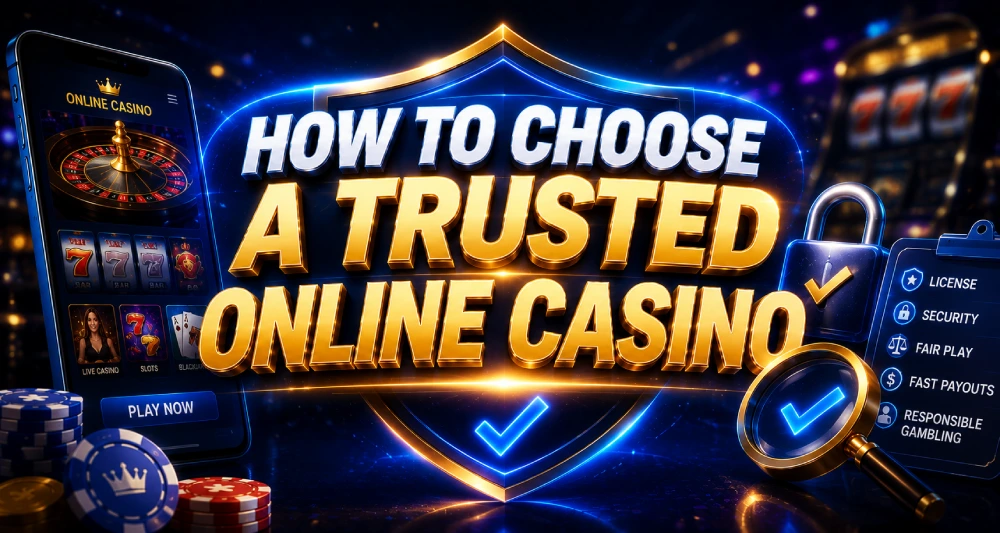
Knowing how to choose a trusted online casino takes more than glancing at bonuses, game selection or a polished website design. A more reliable approach starts by working out who actually operates the platform, whether that operator is legally permitted to serve your location, how the site protects your account information, how deposits and withdrawals are actually processed, and whether the terms are written clearly enough to trust.
For Singapore users, regulatory status should be the very first thing you check, before bonuses or game libraries even enter the picture. The Gambling Regulatory Authority of Singapore (GRA) states plainly that gambling in Singapore is prohibited unless it is licensed or exempted, and that Singapore Pools is currently the only operator licensed by GRA to provide remote gambling services in the country. A website being accessible from Singapore, or accepting SGD, PayNow or other familiar local payment methods, says nothing about whether it actually holds that approval. For the broader legal framework, see our Online Gambling Singapore Guide.
Quick Answer
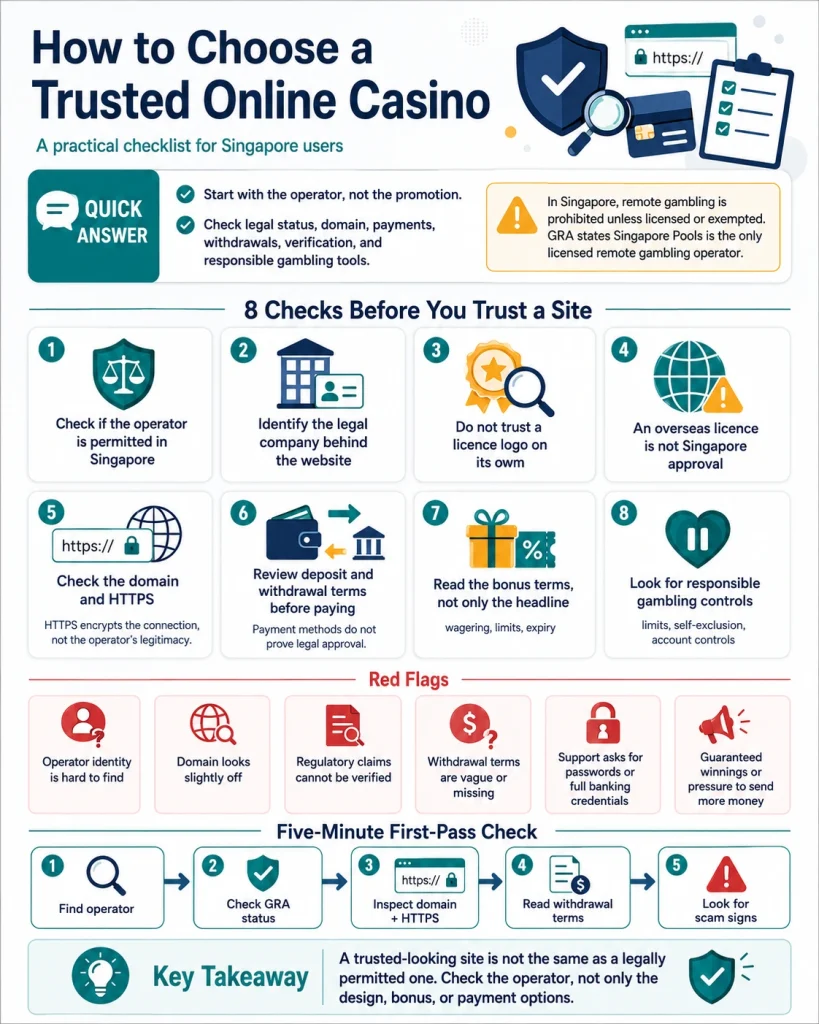
To choose a trusted online casino, start with the operator rather than the promotion. Identify the company behind the brand, verify its regulatory status, examine the domain carefully, confirm the site runs on HTTPS, review the deposit and withdrawal terms, check what identity verification is required, and look for clear responsible gambling controls. Singapore users also need to separate technical trust from legal status: a site can look secure and professional while still lacking approval to offer remote gambling to people in Singapore, since GRA states that providing unlicensed remote gambling services, whether from inside or outside Singapore, to persons situated in Singapore is unlawful. For a dedicated step-by-step process, read How to Verify an Online Casino.
Step 1: Check Whether the Operator Is Permitted in Singapore
This has to come before games or bonuses. GRA regulates Singapore’s gambling industry and lists the higher-risk licensed activities it permits, including the casinos run by Resorts World Sentosa and Marina Bay Sands, and the lottery and betting services offered by Singapore Pools. For remote gambling specifically, GRA is clear that Singapore Pools is the only licensed operator. That means a platform shouldn’t be treated as a “trusted online casino Singapore” simply because it accepts Singapore users, supports SGD or PayNow, runs Singapore-themed promotions, holds a licence from somewhere else, or ranks well in search results. None of that establishes Singapore regulatory approval. For the full legal picture, read Is Online Gambling Legal in Singapore?
Step 2: Identify the Company Behind the Website, Not Just the Brand
A trustworthy platform usually makes it fairly easy to find out which legal business actually operates the service, including its registered company name, contact details, terms and conditions, privacy policy and applicable regulatory information. If a site repeatedly promotes a brand name but never identifies the company handling user accounts and payments, that’s worth investigating further, since licences are generally issued to legal entities, not to marketing names.
Step 3: Don't Trust a Licence Logo on Its Own
Anyone can place a regulatory-looking logo in a website footer, so the logo itself proves nothing. What matters is identifying which regulator supposedly issued the licence, which company holds it, what activities it actually covers, and whether that approval can be independently verified as applying to your jurisdiction. GRA requires operators to hold the appropriate licence for betting or lottery operations, and a licence covering one activity shouldn’t be read as blanket permission for every gambling service the site offers.
Step 4: Understand That an Overseas Licence Isn't Singapore Approval
An overseas gambling licence may place an operator under another jurisdiction’s rules, but it does not make the service legal in Singapore. GRA states directly that providing unlicensed remote gambling services from outside Singapore to people located in Singapore is unlawful, so an overseas licence, a foreign company registration and an international-looking website are all, on their own, unrelated to Singapore approval. For more detail, see Remote Gambling in Singapore Explained.
Step 5: Check the Domain, and Make Sure the Site Uses HTTPS
Fake gambling websites frequently use domains that closely resemble legitimate brands, sometimes changing a single letter to create something that looks convincing at a glance. Before entering any personal or banking details, check the spelling of the address, watch for extra words, unusual subdomains or strange redirects, and be wary of links arriving through unsolicited messages. ScamShield specifically flags spoofed website addresses and unsolicited links as phishing warning signs. Separately, the Cyber Security Agency of Singapore explains that HTTPS encrypts the data passing between your browser and the website, which matters when you’re entering login credentials or sensitive information. Just remember that HTTPS only confirms the connection is encrypted, not that the operator behind it is honest or legally permitted. A scam site can hold an HTTPS certificate just as easily as a legitimate one. For a deeper look at spotting fakes, read How to Spot Fake Online Casino Websites.
PayNow often appeals to users who already rely on Singapore mobile banking and prefer direct account-to-account payments.
For a broader payment comparison, read Which Payment Method Is Fastest for Singapore Players?
Step 6: Review Deposit and Withdrawal Terms Before You Send Money
Payment behaviour reveals a lot about how seriously a platform takes its operations. Before depositing, check the supported payment methods, minimum and maximum limits, processing times, fees and any account-name or reference requirements, and don’t assume that accepting PayNow or a Singapore bank transfer says anything about regulatory approval, since payment technology and gambling licensing are entirely separate issues. It’s just as important to check withdrawal terms before you deposit rather than after, since a deposit might be credited automatically while a withdrawal typically has to move through submission, account review, verification and approval before payment is sent. A platform that explains deposits in detail but stays vague about withdrawals deserves closer scrutiny. See How Online Casino Deposits Work and How Online Casino Withdrawals Work for the full process.
Step 7: Read the Bonus Terms, Not Just the Headline Number
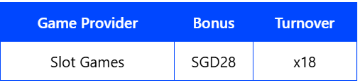
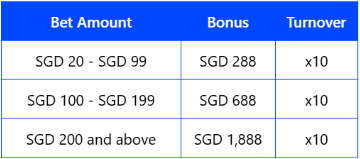
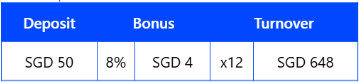
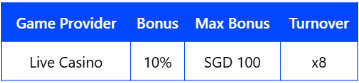
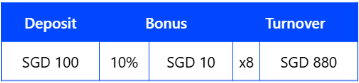
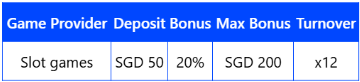
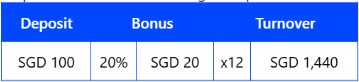
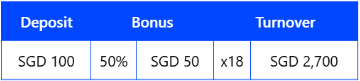
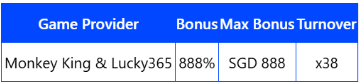
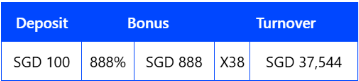
A large promotional figure like “100% bonus up to SGD200” doesn’t tell you whether the offer is actually usable. The practical value depends on the wagering requirement, which games count toward it, the maximum bet allowed while it’s active, expiry dates and any withdrawal restrictions attached to bonus funds. Treat the headline as a starting point, not the full offer, and don’t let it substitute for the operator and legal checks that should come first.
Step 8: Look for Responsible Gambling Controls
A trustworthy platform shouldn’t be built solely around keeping people playing. Look for spending and time limits, self-exclusion options, account restrictions and clear information about gambling risk. Singapore’s regulatory approach pairs operator licensing with harm-minimisation measures, since GRA frames its role as allowing certain gambling activities within a controlled environment rather than treating licensing as the only requirement. For more on personal safeguards, read Responsible Gambling Singapore.
Red Flags Worth Watching For
Be cautious if the operator’s identity is hard to find, the domain looks slightly off, regulatory claims can’t be independently verified, withdrawal terms are missing or vague, support asks for passwords or full banking credentials, unexpected fees appear during withdrawal, or the platform promises guaranteed winnings or a “secret system” that always wins. Gambling outcomes are inherently uncertain, and any site presenting them as a guaranteed income stream deserves immediate scrutiny. ScamShield also warns against pressure to send additional money before funds are released, describing scams broadly as attempts to trick people into surrendering money or personal data through false information or unusually attractive offers. For more on these patterns, read Common Online Gambling Scams.
A Five-Minute First-Pass Check
If you only have a few minutes, work through this sequence: identify the legal company behind the brand rather than stopping at the brand name; check official GRA information for Singapore regulatory status rather than relying on the operator’s own claims; inspect the domain for correct spelling, HTTPS and unusual redirects; read the withdrawal terms for processing times, verification requirements and fees; and search for scam reports or contradictory terms. If several of these can’t be confirmed, don’t rely on the site’s promotional claims alone. Dig further before depositing anything.
Frequently Asked Questions
How do I choose a trusted online casino?
Start by identifying the operator and checking its regulatory status, then review the domain, HTTPS, payment methods, withdrawal rules, verification requirements, account security and responsible gambling controls, rather than relying on bonuses or appearance alone.
How can I verify an online casino in Singapore?
Check official GRA information directly. GRA currently identifies Singapore Pools as the only operator licensed to provide remote gambling services in Singapore.
Does HTTPS mean an online casino is safe?
HTTPS encrypts the data exchanged between your browser and the site, which matters for logins and sensitive information, but it doesn’t prove the operator is legitimate or legally permitted to operate.
Is an overseas gambling licence enough for Singapore players?
No. GRA states that providing unlicensed remote gambling services from overseas to people situated in Singapore is unlawful, regardless of what licence the operator holds elsewhere.
What are the biggest online casino red flags?
Unverifiable operator details, misspelled or spoofed domains, unclear withdrawal terms, requests for banking credentials through unofficial channels, pressure to send more money, and unrealistic guaranteed-winnings claims.