


As online gaming continues to grow, many users spend time researching gaming platforms, payment methods, promotions, and casino providers before participating. During this process, individuals may also encounter fraudulent websites designed to imitate legitimate gaming services.
Fake casino websites often attempt to create the appearance of credibility while misleading users about platform operations, promotions, payment processes, or security practices. While tactics can vary, many fraudulent websites share common warning signs that users can learn to recognise.
Understanding how to identify potentially suspicious websites can help users develop greater awareness when researching online gaming platforms and digital services.
A fake casino website generally refers to a website that attempts to imitate, misrepresent, or falsely present itself as a legitimate gaming platform. These websites may use copied branding, misleading promotions, impersonation tactics, fabricated information, or deceptive marketing practices to attract visitors.
While fraudulent websites can take many forms, they often share a similar objective: creating trust where it has not been earned. In some cases, users may be encouraged to share personal information, create accounts, engage with misleading promotions, or interact with services that are not what they appear to be.
Understanding the common characteristics associated with suspicious websites can help users recognise potential warning signs and approach online platforms with greater awareness.
| Warning Sign | What Users Often Notice |
|---|---|
| 🎭 Copied Branding | Logos, colours, visual designs, or layouts that closely resemble established platforms. |
| 🌐 Suspicious URLs | Website addresses that appear unusual, misspelled, inconsistent, or difficult to verify. |
| 🎁 Unrealistic Promotions | Promotional claims that appear unusually generous without clear explanations or supporting details. |
| 📋 Missing Information | Limited transparency regarding ownership, policies, terms, licensing information, or platform operations. |
| 📞 Limited Contact Details | Difficulty locating customer support information, contact methods, or service channels. |
| ⚠️ Inconsistent Content | Poorly written pages, broken links, outdated information, contradictory claims, or unusual website behaviour. |
Some websites attempt to build credibility by copying the appearance of more established platforms, including logos, colour schemes, layouts, and marketing materials.
Misspelled domains, unusual website structures, or URLs that differ from what users expect can sometimes warrant additional scrutiny.
Promotions that promise unusually large rewards with little explanation may encourage users to conduct additional research before engaging further.
A lack of clear information regarding platform operations, policies, support resources, or company details can make it more difficult for users to evaluate a website.
Broken pages, inconsistent information, outdated content, and unusual website behaviour can sometimes indicate a lack of reliability or legitimacy.
A single warning sign does not automatically indicate that a website is fraudulent. However, when multiple concerns appear together, many users choose to conduct additional research before creating accounts, sharing personal information, or engaging with online services.
Developing awareness of common warning signs can help individuals navigate online environments more confidently and make more informed decisions when evaluating unfamiliar websites.
Some fraudulent websites attempt to imitate legitimate platforms by copying logos, colour schemes, layouts, branding elements, or promotional materials. These tactics are often designed to create a false sense of familiarity and credibility.
Unusual URLs, misspelled domain names, unexpected website extensions, or website addresses that closely resemble established brands may sometimes indicate potential concerns. Many users choose to review website addresses carefully before engaging with unfamiliar platforms.
Promotional claims that appear unusually generous, vague, or difficult to verify can sometimes warrant additional scrutiny. Many users prefer to review promotional information carefully before engaging with offers that appear unusually attractive.
Missing company information, unclear ownership details, limited contact information, or a lack of accessible policies can make it more difficult for users to evaluate the legitimacy of a website.
Fraudulent websites often rely on creating uncertainty, urgency, or pressure. Limited-time warnings, countdown timers, aggressive promotional messaging, or requests for immediate action may encourage users to act before fully reviewing available information.
A single warning sign does not necessarily indicate that a website is fraudulent. However, when multiple concerns appear together, many users choose to conduct additional research before creating accounts, sharing personal information, or engaging with online services.
Developing awareness of these common warning signs can help individuals approach unfamiliar websites more carefully and make more informed decisions when evaluating online platforms.
When researching online gaming platforms, many users review several areas before engaging with a website. While a single issue does not automatically indicate a fraudulent service, reviewing multiple aspects of a platform can help users develop a more complete understanding of its credibility and transparency.
Understanding common warning signs can help individuals approach unfamiliar websites with greater awareness and make more informed decisions when evaluating online services.
Many users review website URLs carefully to ensure they appear consistent and legitimate. Misspellings, unusual domain names, unexpected website structures, or website addresses that closely resemble established brands may warrant additional review.
Clear information regarding platform operations, policies, ownership details, support resources, and terms of service can help users better understand how a website operates and whether sufficient information is available.
Many users expect to find accessible support channels, contact details, customer service information, or other communication methods when researching online services. Limited or difficult-to-find contact information may encourage additional scrutiny.
Promotions that appear unusually generous, vague, unrealistic, or difficult to verify without clear explanations may warrant further investigation before users choose to engage with an offer.
Broken pages, inconsistent information, poor navigation, outdated content, unusual website behaviour, or contradictory messaging may sometimes indicate potential concerns regarding website reliability or maintenance.
Many users review website URLs carefully to ensure they appear consistent and legitimate. Misspellings, unusual domain names, unexpected website structures, or website addresses that closely resemble established brands may warrant additional review.
Clear information regarding platform operations, policies, ownership details, support resources, and terms of service can help users better understand how a website operates and whether sufficient information is available.
Many users expect to find accessible support channels, contact details, customer service information, or other communication methods when researching online services. Limited or difficult-to-find contact information may encourage additional scrutiny.
Promotions that appear unusually generous, vague, unrealistic, or difficult to verify without clear explanations may warrant further investigation before users choose to engage with an offer.
Broken pages, inconsistent information, poor navigation, outdated content, unusual website behaviour, or contradictory messaging may sometimes indicate potential concerns regarding website reliability or maintenance.
A single issue does not automatically indicate that a website is fraudulent. Legitimate websites can occasionally contain errors, outdated content, or technical issues.
However, when multiple warning signs appear together, many users choose to conduct additional research before creating accounts, sharing personal information, making payments, or engaging further with a platform.
Taking time to review these areas carefully can help individuals better understand unfamiliar websites and support more informed online decision-making.
Many individuals choose to verify information independently before interacting with online platforms. While no single method can guarantee the legitimacy of a website, reviewing information from multiple sources can help users develop a broader understanding of a platform and identify potential concerns before engaging further.
Taking time to verify information can support more informed decision-making and contribute to a safer online experience.
Reviewing available information from multiple sources can help users build a more complete picture of a website. Many individuals compare information across different channels rather than relying solely on a platform’s own promotional materials.
Users often compare information across different pages to identify inconsistencies, outdated content, missing details, or contradictory statements. Consistency can sometimes provide additional context when evaluating a website.
Terms and conditions, privacy information, support resources, platform documentation, and other publicly available materials can help users better understand how a website operates and what information is available to visitors.
Many users look for clear contact methods, customer support resources, email addresses, live chat options, or other communication channels before interacting with online services.
Fraudulent websites sometimes attempt to create urgency through countdown timers, limited-time warnings, aggressive promotional messaging, or pressure tactics. Many users prefer to slow down and verify information before responding to urgent requests.
Reviewing available information from multiple sources can help users build a more complete picture of a website. Many individuals compare information across different channels rather than relying solely on a platform’s own promotional materials.
Users often compare information across different pages to identify inconsistencies, outdated content, missing details, or contradictory statements. Consistency can sometimes provide additional context when evaluating a website.
Terms and conditions, privacy information, support resources, platform documentation, and other publicly available materials can help users better understand how a website operates and what information is available to visitors.
Many users look for clear contact methods, customer support resources, email addresses, live chat options, or other communication channels before interacting with online services.
Fraudulent websites sometimes attempt to create urgency through countdown timers, limited-time warnings, aggressive promotional messaging, or pressure tactics. Many users prefer to slow down and verify information before responding to urgent requests.
Many users prefer to take time researching platforms before providing personal information, creating accounts, making payments, or engaging with online services. A measured approach allows individuals to review available information, compare sources, and evaluate whether a platform appears transparent and trustworthy.
While verification does not eliminate all risks, developing careful research habits can help support safer online decision-making and improve overall awareness when navigating unfamiliar websites.
Website verification is one component of broader online safety awareness. Many scam prevention resources encourage individuals to remain aware of common fraud tactics used across different online environments, including gaming platforms, e-commerce websites, financial services, social media platforms, and other digital services.
While online scams can take many forms, understanding common fraud techniques and maintaining awareness of potential warning signs can help users make more informed decisions when interacting with online services.
Exercise caution when sharing personal, financial, account-related, or identification information online. Many users choose to verify a platform before providing sensitive information.
Review payment processes, transaction details, and payment instructions carefully before proceeding with deposits, purchases, or other financial transactions.
Fraudulent emails, text messages, social media messages, and fake support communications may attempt to imitate legitimate organisations in order to obtain sensitive information.
Unexpected requests involving passwords, verification codes, payment transfers, banking details, or personal information often warrant additional scrutiny before any action is taken.
Many users consult multiple sources, compare information independently, and review available documentation before making decisions involving unfamiliar online services.
Exercise caution when sharing personal, financial, account-related, or identification information online. Many users choose to verify a platform before providing sensitive information.
Review payment processes, transaction details, and payment instructions carefully before proceeding with deposits, purchases, or other financial transactions.
Fraudulent emails, text messages, social media messages, and fake support communications may attempt to imitate legitimate organisations in order to obtain sensitive information.
Unexpected requests involving passwords, verification codes, payment transfers, banking details, or personal information often warrant additional scrutiny before any action is taken.
Many users consult multiple sources, compare information independently, and review available documentation before making decisions involving unfamiliar online services.
Developing online safety awareness is an ongoing process rather than a one-time activity. New scams, impersonation tactics, phishing campaigns, and fraudulent schemes continue to evolve as technology changes.
Understanding common fraud tactics, recognising warning signs, verifying information carefully, and maintaining a cautious approach can help individuals navigate online environments with greater confidence.
While no single safety practice eliminates all risks, combining awareness, verification, and informed decision-making can contribute to a safer and more secure online experience overall.
Online safety involves more than identifying suspicious websites. Many users also explore scam prevention strategies, platform security features, responsible gaming resources, and broader online safety considerations when researching online gaming environments.
The following resources can help you build a stronger understanding of online safety, scam awareness, and informed participation.
Learn about common casino scams, fraud tactics, phishing attempts, impersonation schemes, payment-related scams, and educational strategies designed to help users recognise and avoid fraudulent activity online.
Explore online gaming safety considerations, privacy awareness, account protection, payment security, scam prevention practices, and the factors many users consider when evaluating online gaming platforms.
Discover factors players commonly consider when evaluating gaming platforms, including transparency, platform reputation, user experience, security considerations, payment accessibility, and responsible gaming resources.
Learn more about PayNow transactions, payment methods, deposit and withdrawal processes, payment accessibility, and educational information relating to online gaming payments. Understanding how digital payment systems work can help users develop greater awareness of online transactions and payment-related considerations.
Explore responsible gaming resources, player awareness information, educational guidance, support tools, and practical approaches that encourage informed participation and healthier gaming habits.
A fake casino website generally refers to a website that attempts to imitate, misrepresent, or falsely present itself as a legitimate gaming platform. These websites may use copied branding, misleading information, fabricated promotions, impersonation tactics, or other deceptive practices designed to create a false sense of credibility.
Many users evaluate several factors when researching online services, including website addresses, platform transparency, contact information, promotional claims, website quality, and the availability of clear policies and support resources. Reviewing multiple areas together can help provide a broader understanding of a platform.
Promotions that appear unusually generous, difficult to verify, or lacking clear explanations may encourage users to conduct additional research before engaging with a platform. While promotional offers alone do not determine legitimacy, many users choose to evaluate them carefully alongside other factors.
Access to clear information regarding platform operations, ownership details, support channels, terms and conditions, privacy policies, and user resources can help individuals better understand a website and evaluate the information available to them.
Many individuals choose to research platforms carefully, verify available information, review website details, and understand how their information may be used before sharing personal, financial, or account-related information online.
No. Fraudulent websites can appear across many industries and sectors, including e-commerce, financial services, travel, social media, online marketplaces, subscription services, and other digital environments. Understanding common warning signs can be useful across a wide range of online activities.
Yes. Some fraudulent websites invest significant effort into creating professional-looking designs, branding, and promotional materials. Many users evaluate multiple factors beyond appearance alone when researching unfamiliar platforms.
Impersonating established brands can help fraudulent websites appear more familiar and trustworthy to visitors. This tactic is often used to create credibility and reduce suspicion among potential users.
Not necessarily. A single issue, such as a broken page or missing detail, does not automatically indicate fraud. However, when multiple warning signs appear together, many users choose to conduct additional research before engaging further.
Many users improve online safety by verifying information carefully, protecting personal information, reviewing payment details, remaining cautious of urgency tactics, and consulting multiple trusted sources before making decisions involving unfamiliar websites or online services.
Learning how to identify fake casino websites is part of a broader approach to online safety and scam awareness. Many users also explore platform transparency, account security, payment protection, and responsible gaming resources when researching online services.
Build a stronger understanding of online safety through educational resources covering scam prevention, account security, platform transparency, responsible gaming, and digital awareness.
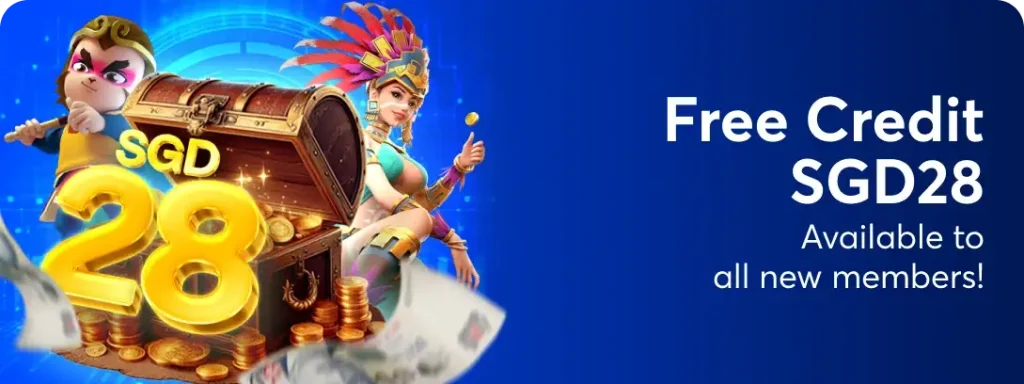
KK8 gives you SGD 28 in free credit when you register. You can sign up now and start playing with extra balance right away.
Promotion Period:
30th April 2025 07:00:00 (GMT+8)
Event Details:

How To Apply:
1. Create an account with KK8.
2. All KK8 members can claim this bonus.
3. To get the bonus, you must deposit to your account with a minimum deposit of SGD50.
4. The bonus will be credited to the member’s KK8 Bonus Wallet after the deposit has been verified.
5. A member is not eligible to claim this promotion if the member is participating in any other promotion at the same time.
6. This promotion is available exclusively to newly registered KK8 members and may be claimed once per member.
Applicable Providers:
All Slot Games except for RSG, ASKMESLOT and NEXTSPIN
Terms And Conditions:
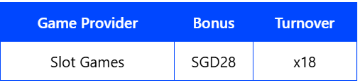
1. To make a transfer or withdrawal members need to meet the turnover requirement, for the bonus amount. Here is an example to help you understand:

2. This promotion depends on how many are available and applies to all slot games except for RSG, ASKMESLOT and NEXTSPIN.
3. After your deposit is verified, the bonus credit will be credited automatically into your KK8 Bonus Wallet.
4. Bonuses remain valid for thirty (30) days from the date of issuance unless stated otherwise. Any winnings from bonus credits will be forfeited if the required conditions are not fulfilled within this period.
5. If you change any of your information during the promotion period, you will lose all your profits and bonuses.
6. Non slot games and arcade games do not count toward the turnover requirement unless otherwise specified.
7. Members who have claimed a promotion for a specific provider are not permitted to make a second transfer to the same provider while the promotion remains active. This restriction does not apply if the member has fulfilled the turnover requirement or if the promotion has been cancelled.
8. Each person can only get one promotion. This means that each individual is limited to one promotion, regardless of their family, household, computer, email, phone number, or bank card.
9. This promotion cannot be used in conjunction with other KK8 promotions.
10. KK8 reserves the rights to change or cancel the promotion without any notice.
11. KK8 reserves the right to forfeit all winnings and bonuses from any player or group of players who breach any term. KK8 may take such action at any time at its discretion.
12. KK8 is the sole arbiter of this promotion, the decisions are considered final.
13. Participating members are required to accept and comply with all the above terms and conditions, as well as any applicable rules and regulations published on the KK8 website.
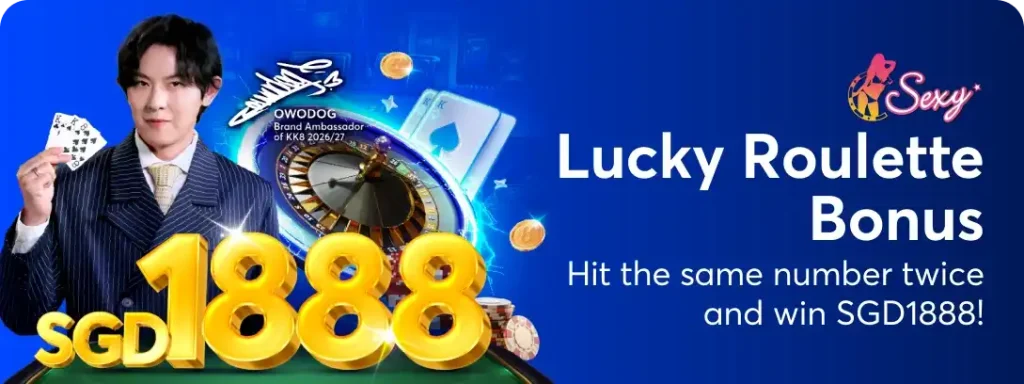
KK8 rewards you with a free bonus up to SGD 1,888 when you hit the same number twice on Sexy Roulette. Join now and take your shot at this exclusive reward.
Promotion Period:
30th April 2025 07:00:00 (GMT+8)
Event Details:

How To Apply:
1. Create an account with KK8.
2. All KK8 members can claim this bonus.
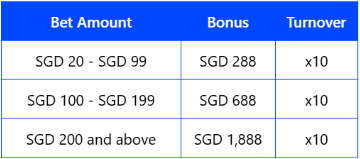
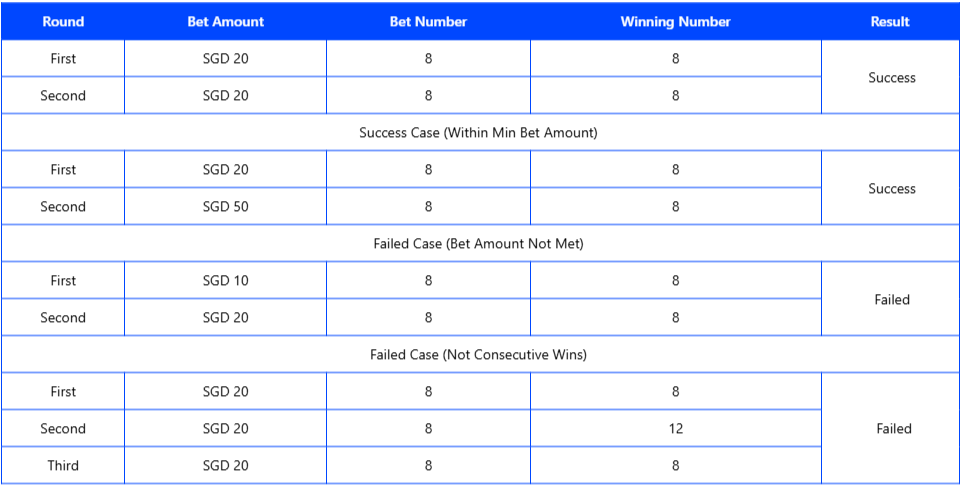
3. Members are required to place bets on the same direct number in Sexy Roulette, with a minimum stake of SGD 20 per number.
4. The special card combination [K+K+8] requires the first two cards to be K and the third card to be 8.
5. The bonus will be credited to the member’s KK8 Bonus Wallet after the deposit has been verified.
6. A member is not eligible to claim this promotion if the member is participating in any other promotion at the same time.
7. Members must fulfil the turnover requirements on the bonus credits before any withdrawal is permitted.
Event Criteria:
Applicable Providers:
Sexy Baccarat only
Terms And Conditions:
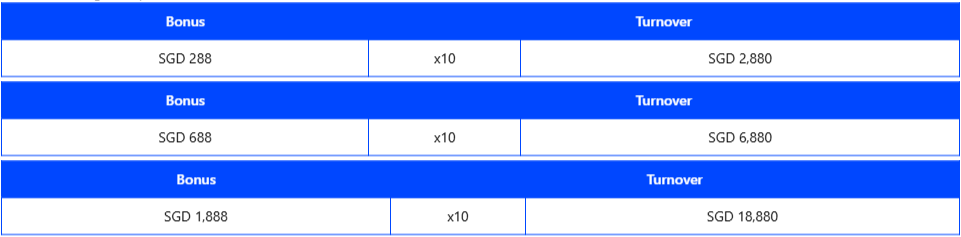
1. To make a transfer or withdrawal members need to meet the turnover requirement, for the bonus amount. Here is an example to help you understand:
2. This promotion depends on how many are available and applies to roulette in Sexy game provider only.
3. Bonus credits awarded under this promotion are valid only for roulette offered by the Sexy game provider.
4. The bonus credit will be credited to the member’s KK8 Bonus Wallet upon fulfilment of the promotion criteria and confirmation by the customer support team.
5. Bonuses remain valid for thirty (30) days from the date of issuance unless stated otherwise. Any winnings from bonus credits will be forfeited if the required conditions are not fulfilled within this period.
6. If you change any of your information during the promotion period, you will lose all your profits and bonuses.
7. Games from other designated providers do not count toward the turnover requirement unless otherwise specified.
8. Bets that result in a void, tie, or cancellation do not count toward the bets requirement. Bets placed on opposite sides of the same outcome also don’t count as valid bets.
9. Turnover generated from non live table games (e.g., Blackjack, Video Poker, Craps, American Roulette, Baccarat) , non-slot games and arcade games does not count toward the turnover requirement unless otherwise specified.
10. Members who have claimed a promotion for a specific provider are not permitted to make a second transfer to the same provider while the promotion remains active. This restriction does not apply if the member has fulfilled the turnover requirement or if the promotion has been cancelled.
11. Each person can only get one promotion. This means that each individual is limited to one promotion, regardless of their family, household, computer, email, phone number, or bank card.
12. This promotion cannot be used in conjunction with other KK8 promotions.
13. KK8 reserves the rights to change or cancel the promotion without any notice.
14. KK8 reserves the right to forfeit all winnings and bonuses from any player or group of players who breach any term. KK8 may take such action at any time at its discretion.
15. KK8 is the sole arbiter of this promotion, the decisions are considered final.
16. Participating members are required to accept and comply with all the above terms and conditions, as well as any applicable rules and regulations published on the KK8 website.
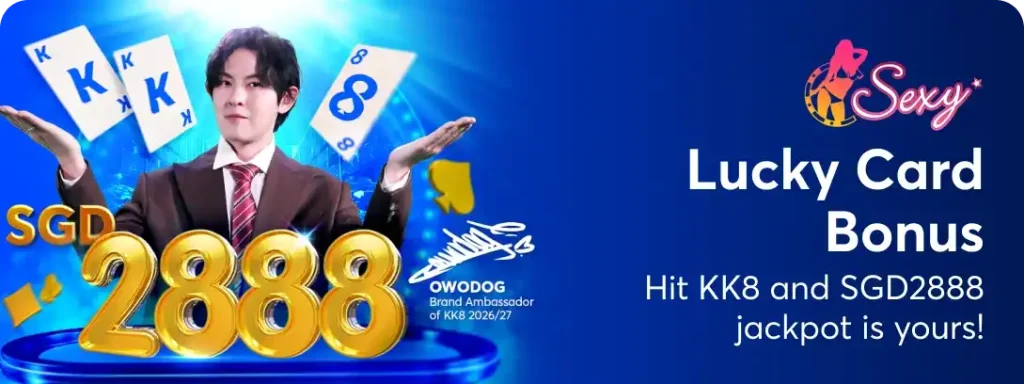
KK8 offers a Free Bonus up to SGD 2,888 in Sexy Baccarat. You can qualify for the bonus with selected card combinations. You can play now and claim this exclusive reward.
Promotion Period:
30th April 2025 07:00:00 (GMT+8)
Event Details:

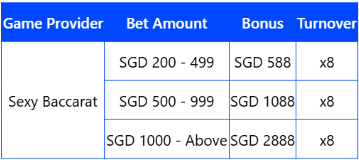
How To Apply:
1.Create an account with KK8.
2. All KK8 members can claim this bonus.
3. Members have to bet at SGD 200 on the Player or the Banker and actually win that round and the cards have to be a combination to claim this bonus, which is [K+K+8]. If you get this combination you can take a screenshot. Send it to our customer support team to get your bonus.
4. The special card combination [K+K+8] requires the first two cards to be K and the third card to be 8.
5. The bonus will be credited to the member’s KK8 Bonus Wallet after the deposit has been verified.
6. A member is not eligible to claim this promotion if the member is participating in any other promotion at the same time.
7. Members must meet the turnover requirements on the bonus credits before any withdrawal is permitted.
Applicable Providers:
Sexy Baccarat only
Terms And Conditions:
1. To make a transfer or withdrawal members need to meet the turnover requirement, for the bonus amount. Here is an example to help you understand:
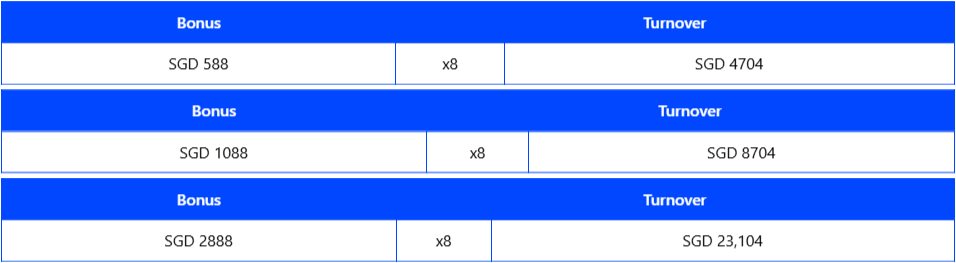
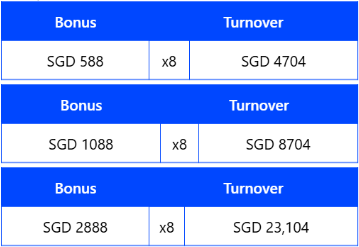
2. This promotion depends on how many are available and applies to live casino baccarat in Sexy game provider only.
3. Bonus credits awarded under this promotion are valid only for live casino baccarat games offered by the Sexy game provider.
4. The bonus credit will be credited to the member’s KK8 Bonus Wallet upon fulfilment of the promotion criteria and confirmation by the customer support team.
5. Bonuses remain valid for thirty (30) days from the date of issuance unless stated otherwise. Any winnings from bonus credits will be forfeited if the required conditions are not fulfilled within this period.
6. If you change any of your information during the promotion period, you will lose all your profits and bonuses.
7. Games from other designated providers do not count toward the turnover requirement unless otherwise specified.
8. Bets that result in a void, tie, or cancellation do not count toward the bets requirement. Bets placed on opposite sides of the same outcome also don’t count as valid bets.
9. Turnover generated from non live table games (e.g., Blackjack, Video Poker, Craps, American Roulette, Baccarat) , non-slot games and arcade games does not count toward the turnover requirement unless otherwise specified.
10. Members who have claimed a promotion for a specific provider are not permitted to make a second transfer to the same provider while the promotion remains active. This restriction does not apply if the member has fulfilled the turnover requirement or if the promotion has been cancelled.
11. Each person can only get one promotion. This means that each individual is limited to one promotion, regardless of their family, household, computer, email, phone number, or bank card.
12. This promotion cannot be used in conjunction with other KK8 promotions.
13. KK8 reserves the rights to change or cancel the promotion without any notice.
14. KK8 reserves the right to forfeit all winnings and bonuses from any player or group of players who breach any term. KK8 may take such action at any time at its discretion.
15. KK8 is the sole arbiter of this promotion, the decisions are considered final.
16. Participating members are required to accept and comply with all the above terms and conditions, as well as any applicable rules and regulations published on the KK8 website.
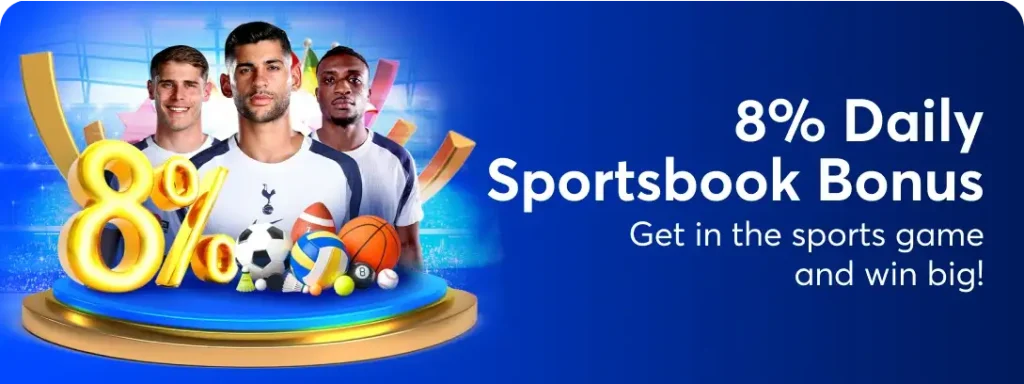
KK8 gives you an 8% sportsbook bonus on your daily deposit, up to SGD 300. You can deposit each day and get extra balance to play.
Promotion Period:
30th April 2025 07:00:00 (GMT+8)
Event Details:

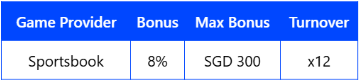
How To Apply:
1. Create an account with KK8.
2. All KK8 members can claim this bonus.
3. To get the bonus, you must deposit to your account with a minimum deposit of SGD50.
4. The bonus will be credited to the member’s KK8 Bonus Wallet after the deposit has been verified.
5. A member is not eligible to claim this promotion if the member is participating in any other promotion at the same time.
6. This promotion only can be claimed once per day.
Applicable Providers:
CMD365, United Gaming and M9bet
Terms And Conditions:
1. To make a transfer or withdrawal members need to meet the turnover requirement, for the deposit and bonus amount. Here is an example to help you understand:

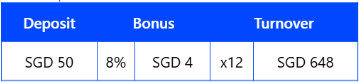
2. This promotion depends on availability. Applies to CMD, United Gaming and M9bet in sportsbook games.
a. Sportsbook betting only works for these leagues:
i. Premier League, La Liga, Lega Serie A, Bundesliga, France Ligue 1, UEFA Champions League, UEFA Europa League, UEFA EURO, UEFA Nation, FIFA World Cup Qualifiers, FIFA World Cup.
3. Note that e-sport virtual sports and number games in sportsbook games do not qualify for this promotion.
4. If you use a bonus for sports bets, your bonus wallet stays locked until the bet results are out.
5. After your deposit is verified, the bonus credit will be credited automatically into your KK8 Bonus Wallet.
6. Bonuses remain valid for thirty (30) days from the date of issuance unless stated otherwise. Any winnings from bonus credits will be forfeited if the required conditions are not fulfilled within this period.
7. If you change any of your information during the promotion period, you will lose all your profits and bonuses.
8. Members who have claimed a promotion for a specific provider are not permitted to make a second transfer to the same provider while the promotion remains active. This restriction does not apply if the member has fulfilled the turnover requirement or if the promotion has been cancelled.
9. Bets that result in a void, tie, or cancellation do not count toward the turnover requirement. Bets placed on opposite sides of the same outcome also don’t count as valid turnover.
10. Any bets with odds lower than 0.7 (Malaysian odds), 0.7 (Hong Kong/China odds), 1.20 (Indonesian odds), -120 (American odds), or 1.7 (decimal odds), early cashouts and bets on both teams in the same match, at the same time will not be considered as qualifying bets.
11. Each person can only get one promotion. This means that each individual is limited to one promotion, regardless of their family, household, computer, email, phone number, or bank card.
12. This promotion cannot be used in conjunction with other KK8 promotions.
13. KK8 reserves the rights to change or cancel the promotion without any notice.
14. KK8 reserves the right to forfeit all winnings and bonuses from any player or group of players who breach any term. KK8 may take such action at any time at its discretion.
15. KK8 is the sole arbiter of this promotion, the decisions are considered final.
16. Participating members are required to accept and comply with all the above terms and conditions, as well as any applicable rules and regulations published on the KK8 website.
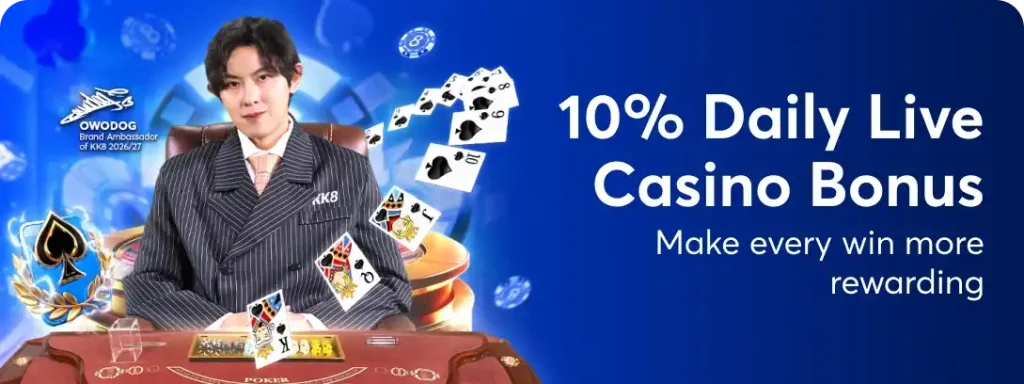
KK8 offers an unlimited live casino reload bonus. You can reload your account and receive a bonus each time. You can start with a low deposit and play with higher value.
Promotion Period:
30th April 2025 07:00:00 (GMT+8) to 31th December 2025 23:59:59 (GMT +8)
Event Details:

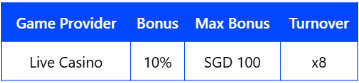
How To Apply:
1. Create an account with KK8.
2. All KK8 members can claim this bonus.
3. To get the bonus, you must deposit to your account with a minimum deposit of SGD50.
4. The bonus will be credited to the member’s KK8 Bonus Wallet after the deposit has been verified.
5. A member is not eligible to claim this promotion if the member is participating in any other promotion at the same time.
6. Each account may claim this promotion an unlimited number of times per month.
Applicable Providers:
All Live Casino
Terms And Conditions:
1. To make a transfer or withdrawal members need to meet the turnover requirement, for the deposit and bonus amount. Here is an example to help you understand:

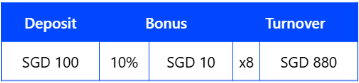
2. This promotion depends on how many are available and applies to all live casinos.
3. After your deposit is verified, the bonus credit will be credited automatically into your KK8 Bonus Wallet.
4. Bonuses remain valid for thirty (30) days from the date of issuance unless stated otherwise. Any winnings from bonus credits will be forfeited if the required conditions are not fulfilled within this period.
5. If you change any of your information during the promotion period, you will lose all your profits and bonuses.
6. Bets that result in a void, tie, or cancellation do not count toward the turnover requirement. Bets placed on opposite sides of the same outcome also don’t count as valid turnover.
7. Turnover generated from non live table games (e.g., Blackjack, Video Poker, Craps, American Roulette, Baccarat) , non-slot games and arcade games does not count toward the turnover requirement unless otherwise specified.
8. Members who have claimed a promotion for a specific provider are not permitted to make a second transfer to the same provider while the promotion remains active. This restriction does not apply if the member has fulfilled the turnover requirement or if the promotion has been cancelled.
9. Each person can only get one promotion. This means that each individual is limited to one promotion, regardless of their family, household, computer, email, phone number, or bank card.
10. This promotion cannot be used in conjunction with other KK8 promotions.
11. KK8 reserves the rights to change or cancel the promotion without any notice.
12. KK8 reserves the right to forfeit all winnings and bonuses from any player or group of players who breach any term. KK8 may take such action at any time at its discretion.
13. KK8 is the sole arbiter of this promotion, the decisions are considered final.
14. Participating members are required to accept and comply with all the above terms and conditions, as well as any applicable rules and regulations published on the KK8 website.
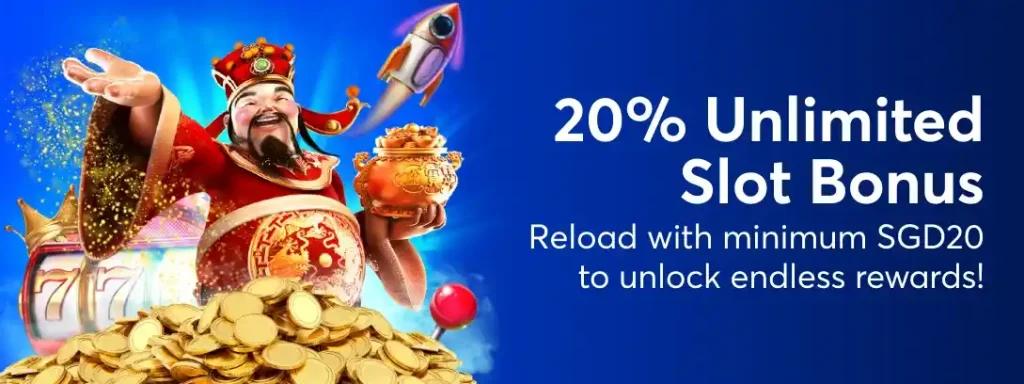
KK8 offers a 20% unlimited slots reload bonus on every top up. You can deposit from SGD 50 and receive extra balance each time with no limit.
Promotion Period:
30th April 2025 07:00:00 (GMT+8) to 31th December 2025 23:59:59 (GMT +8)
Event Details:

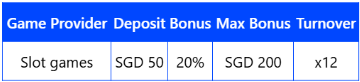
How To Apply:
1. Create an account with KK8.
2. All KK8 members can claim this bonus.
3. To get the bonus, you must deposit to your account with a minimum deposit of SGD50.
4. The bonus will be credited to the member’s KK8 Bonus Wallet after the deposit has been verified.
5. A member is not eligible to claim this promotion if the member is participating in any other promotion at the same time.
6. Each account may claim this promotion an unlimited number of times per month.
Applicable Providers:
All slot games except for RSG, ASKMESLOT and NEXTSPIN (exclude Arcade, Fishing and Fast games)
Terms And Conditions:
1. To make a transfer or withdrawal members need to meet the turnover requirement, for the deposit and bonus amount. Here is an example to help you understand:

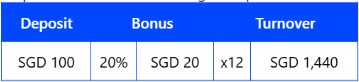
2. This promotion depends on how many are available and applies to all slot games except for RSG, ASKMESLOT and NEXTSPIN (exclude Arcade, Fishing and Fast games).
3. After your deposit is verified, the bonus credit will be credited automatically into your KK8 Bonus Wallet.
4. Bonuses remain valid for thirty (30) days from the date of issuance unless stated otherwise. Any winnings from bonus credits will be forfeited if the required conditions are not fulfilled within this period.
5. If you change any of your information during the promotion period, you will lose all your profits and bonuses.
6. Bets that result in a void, tie, or cancellation do not count toward the turnover requirement. Bets placed on opposite sides of the same outcome also don’t count as valid turnover.
7. Turnover generated from non live table games (e.g., Blackjack, Video Poker, Craps, American Roulette, Baccarat) , non-slot games and arcade games does not count toward the turnover requirement unless otherwise specified.
8. Each person can only get one promotion. This means that each individual is limited to one promotion, regardless of their family, household, computer, email, phone number, or bank card.
9. This promotion cannot be used in conjunction with other KK8 promotions.
10. KK8 reserves the rights to change or cancel the promotion without any notice.
11. KK8 reserves the right to forfeit all winnings and bonuses from any player or group of players who breach any term. KK8 may take such action at any time at its discretion.
12. KK8 is the sole arbiter of this promotion, the decisions are considered final.
13. Participating members are required to accept and comply with all the above terms and conditions, as well as any applicable rules and regulations published on the KK8 website.
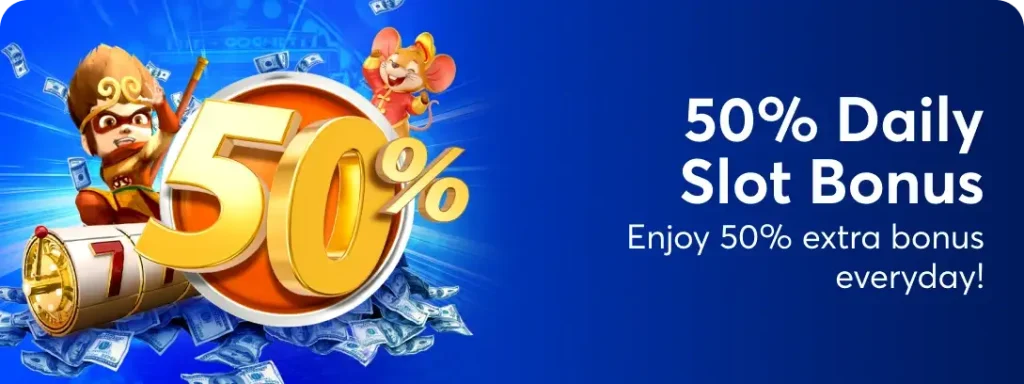
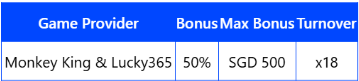
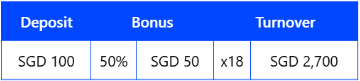
KK8 offers a 50% reload bonus for slot games, up to SGD 500 on each top up. You can reload your account and continue playing with extra balance every time.
Promotion Period:
30th April 2025 07:00:00 (GMT+8) to 31th December 2025 23:59:59 (GMT +8)
Event Details:

How To Apply:
1. Create an account with KK8.
2. All KK8 members can claim this bonus.
3. To get the bonus, you must deposit to your account with a minimum deposit of SGD50.
4. The bonus will be credited to the member’s KK8 Bonus Wallet after the deposit has been verified.
5. A member is not eligible to claim this promotion if the member is participating in any other promotion at the same time.
6. This promotion only can be claimed once per day.
Applicable Providers:
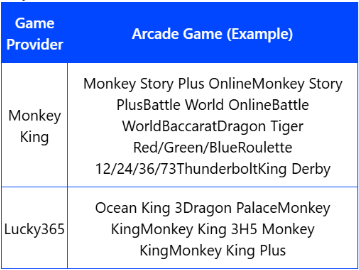
Monkey King and Lucky 365
Remark:
This promotion is not applicable to non-slot games, fishing games and arcade games. Please note that the following list does not include all ineligible games and only serves as a reference.

Terms And Conditions:
1. To make a transfer or withdrawal members need to meet the turnover requirement, for the deposit and bonus amount. Here is an example to help you understand:

2. You can only get this promotion if it’s available, and you must use it to play slot games in Monkey King and Lucky365.
3. After your deposit is verified, the bonus credit will be credited automatically into your KK8 Bonus Wallet.
4. Bonuses remain valid for thirty (30) days from the date of issuance unless stated otherwise. Any winnings from bonus credits will be forfeited if the required conditions are not fulfilled within this period.
5. If you change any of your information during the promotion period, you will lose all your profits and bonuses.
6. Non slot games and arcade games do not count toward the turnover requirement unless otherwise specified.
7. Members who have claimed a promotion for a specific provider are not permitted to make a second transfer to the same provider while the promotion remains active. This restriction does not apply if the member has fulfilled the turnover requirement or if the promotion has been cancelled.
8. Each person can only get one promotion. This means that each individual is limited to one promotion, regardless of their family, household, computer, email, phone number, or bank card.
9. This promotion cannot be used in conjunction with other KK8 promotions.
10. KK8 reserves the rights to change or cancel the promotion without any notice.
11. KK8 reserves the right to forfeit all winnings and bonuses from any player or group of players who breach any term. KK8 may take such action at any time at its discretion.
12. KK8 is the sole arbiter of this promotion, the decisions are considered final.
13. Participating members are required to accept and comply with all the above terms and conditions, as well as any applicable rules and regulations published on the KK8 website.

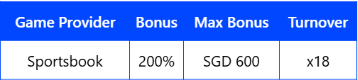
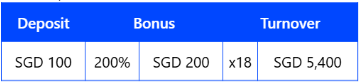
KK8 offers a 200% welcome bonus on your first deposit, up to SGD 600. You can join now and play with more balance from the start.
Promotion Period:
30th April 2025 07:00:00 (GMT +8) till further notice
Event Details:

How To Apply:
1. Create an account with KK8.
2. All KK8 members can claim this bonus.
3. To get the bonus, you must deposit to your account with a minimum deposit of SGD50.
4. The bonus will be credited to the member’s KK8 Bonus Wallet after the deposit has been verified.
5. A member is not eligible to claim this promotion if the member is participating in any other promotion at the same time.
6. This promotion is available to all KK8 members. Each member is eligible to claim this promotion once only.
Applicable Providers:
All Sportbook Game
Terms And Conditions:
1. To make a transfer or withdrawal members need to meet the turnover requirement, for the deposit and bonus amount. Here is an example to help you understand:

2. This promotion depends on how many are available and applies to all sportsbook games.
3. After your deposit is verified, the bonus credit will be credited automatically into your KK8 Bonus Wallet.
4. Bonuses remain valid for thirty (30) days from the date of issuance unless stated otherwise. Any winnings from bonus credits will be forfeited if the required conditions are not fulfilled within this period.
5. If you change any of your information during the promotion period, you will lose all your profits and bonuses.
6. Members who have claimed a promotion for a specific provider are not permitted to make a second transfer to the same provider while the promotion remains active. This restriction does not apply if the member has fulfilled the turnover requirement or if the promotion has been cancelled.
7. Bets that result in a void, tie, or cancellation do not count toward the turnover requirement. Bets placed on opposite sides of the same outcome also don’t count as valid turnover.
8. Any bets with odds lower than 0.7 (Malaysian odds), 0.7 (Hong Kong/China odds), 1.20 (Indonesian odds), -120 (American odds), or 1.7 (decimal odds), early cashouts and bets on both teams in the same match, at the same time will not be considered as qualifying bets.
9. Each person can only get one promotion. This means that each individual is limited to one promotion, regardless of their family, household, computer, email, phone number, or bank card.
10. This promotion cannot be used in conjunction with other KK8 promotions.
11. KK8 reserves the rights to change or cancel the promotion without any notice.
12. KK8 reserves the right to forfeit all winnings and bonuses from any player or group of players who breach any term. KK8 may take such action at any time at its discretion.
13. KK8 is the sole arbiter of this promotion, the decisions are considered final.
14. Participating members are required to accept and comply with all the above terms and conditions, as well as any applicable rules and regulations published on the KK8 website.
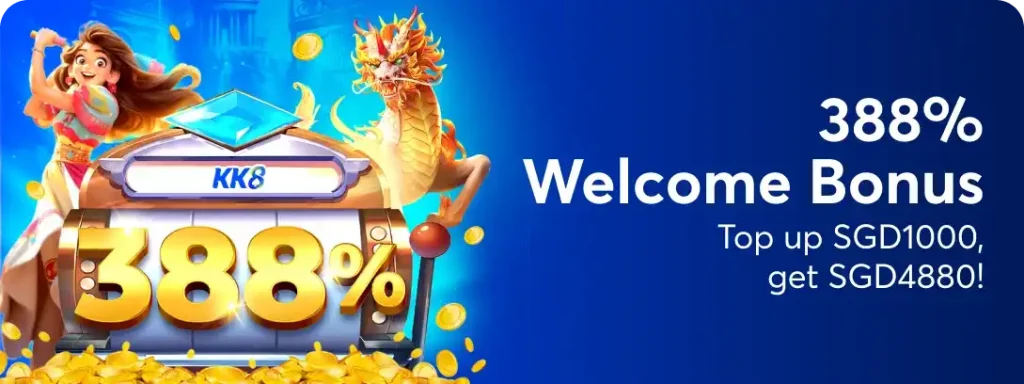
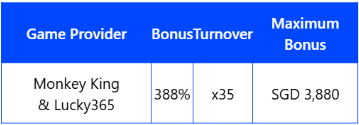
KK8 gives you a 388% Welcome Bonus for slot games, up to SGD 3,880. You start with a much higher balance from your first play. You can sign up now and claim this bonus to extend your play time and try more games right away.
Promotion Period:
30th April 2025 07:00:00 (GMT +8) till further notice
Event Details:

How To Apply:
1. Create an account with KK8.
2. All KK8 members can claim this bonus.
3. To get the bonus, you must deposit to your account with a minimum deposit of SGD50.
4. The bonus will be credited to the member’s KK8 Bonus Wallet after the deposit has been verified.
5. A member is not eligible to claim this promotion if the member is participating in any other promotion at the same time.
6. This promotion is available to all KK8 members. Each member is eligible to claim this promotion once only.
Applicable Providers:
Monkey King and Lucky 365
Remark:
This promotion is not applicable to non-slot games, fishing games and arcade games. Please note that the following list does not include all ineligible games and only serves as a reference.
Terms And Conditions:
1. To make a transfer or withdrawal members need to meet the turnover requirement, for the deposit and bonus amount. Here is an example to help you understand:

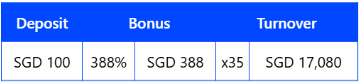
2.You can only get this promotion if it’s available, and you must use it to play slot games in Monkey King and Lucky365.
3. After your deposit is verified, the bonus credit will be credited automatically into your KK8 Bonus Wallet.
4. Bonuses remain valid for thirty (30) days from the date of issuance unless stated otherwise. Any winnings from bonus credits will be forfeited if the required conditions are not fulfilled within this period.
5. If you change any of your information during the promotion period, you will lose all your profits and bonuses.
6. Non slot games and arcade games do not count toward the turnover requirement unless otherwise specified.
7. Members who have claimed a promotion for a specific provider are not permitted to make a second transfer to the same provider while the promotion remains active. This restriction does not apply if the member has fulfilled the turnover requirement or if the promotion has been cancelled.
8. Each person can only get one promotion. This means that each individual is limited to one promotion, regardless of their family, household, computer, email, phone number, or bank card.
9. This promotion cannot be used in conjunction with other KK8 promotions.
10. KK8 reserves the rights to change or cancel the promotion without any notice.
11. KK8 reserves the right to forfeit all winnings and bonuses from any player or group of players who breach any term. KK8 may take such action at any time at its discretion.
12. KK8 is the sole arbiter of this promotion, the decisions are considered final.
13. Participating members are required to accept and comply with all the above terms and conditions, as well as any applicable rules and regulations published on the KK8 website.
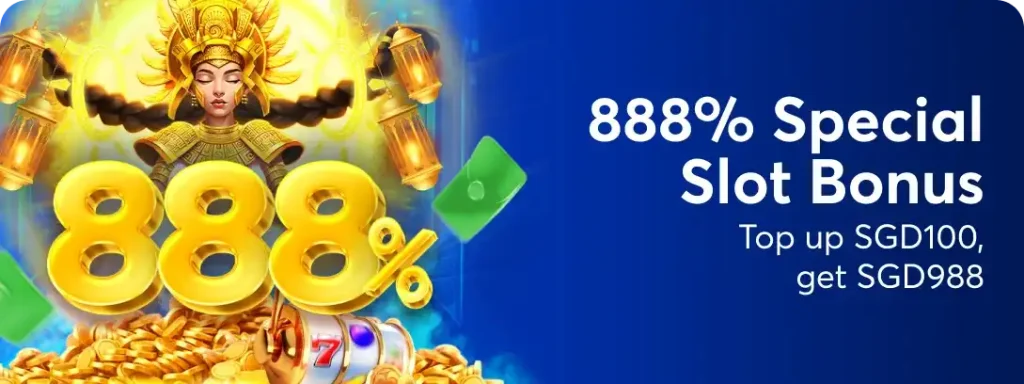
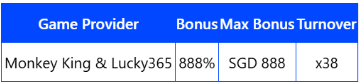
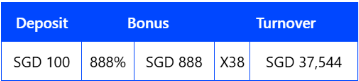
KK8 offers an 888% Welcome Bonus up to SGD 888. You can claim this one time offer and start playing with more value. You can explore games like Monkey King and Lucky 365 right away.
Promotion Period:
30th April 2025 07:00:00 (GMT +8) till further notice
Event Details:

How To Apply:
1. Create an account with KK8.
2. All KK8 members can claim this bonus.
3. To get the bonus, you must deposit to your account with a minimum deposit of SGD50.
4. The bonus will be credited to the member’s KK8 Bonus Wallet after the deposit has been verified.
5. A member is not eligible to claim this promotion if the member is participating in any other promotion at the same time.
6. This promotion is available to all KK8 members. Each member is eligible to claim this promotion once only.
Applicable Providers:
Monkey King and Lucky 365
Remark:
This promotion is not applicable to non-slot games, fishing games and arcade games. Please note that the following list does not include all ineligible games and only serves as a reference.
Terms And Conditions:
1. To make a transfer or withdrawal members need to meet the turnover requirement, for the deposit and bonus amount. Here is an example to help you understand:

2. You can only get this promotion if it’s available, and you must use it to play slot games in Monkey King and Lucky365.
3. After your deposit is verified, the bonus credit will be credited automatically into your KK8 Bonus Wallet.
4. Bonuses remain valid for thirty (30) days from the date of issuance unless stated otherwise. Any winnings from bonus credits will be forfeited if the required conditions are not fulfilled within this period.
5. If you change any of your information during the promotion period, you will lose all your profits and bonuses.
6. Non slot games and arcade games do not count toward the turnover requirement unless otherwise specified.
7. Members who have claimed a promotion for a specific provider are not permitted to make a second transfer to the same provider while the promotion remains active. This restriction does not apply if the member has fulfilled the turnover requirement or if the promotion has been cancelled.
8. Each person can only get one promotion. This means that each individual is limited to one promotion, regardless of their family, household, computer, email, phone number, or bank card.
9. This promotion cannot be used in conjunction with other KK8 promotions.
10. KK8 reserves the rights to change or cancel the promotion without any notice.
11. KK8 reserves the right to forfeit all winnings and bonuses from any player or group of players who breach any term. KK8 may take such action at any time at its discretion.
12. KK8 is the sole arbiter of this promotion, the decisions are considered final.
13. Participating members are required to accept and comply with all the above terms and conditions, as well as any applicable rules and regulations published on the KK8 website.
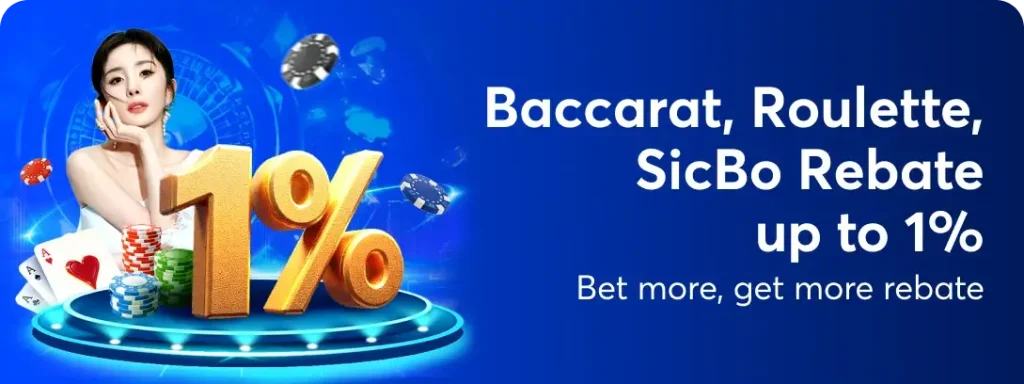
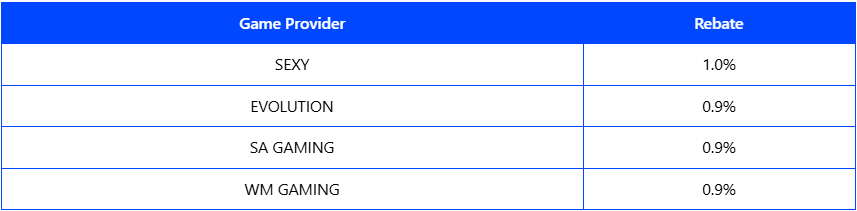
KK8 offers live games with up to 1% rebate. You receive returns on every bet you place. You can start playing now and access these benefits right away.
Promotion Period:
30th April 2025 07:00:00 (GMT +8) till further notice
Event Details:
How To Apply:
1.Create an account with KK8.
2.All KK8 members can claim this rebate.
3.To get the rebate members must place a bet using their KK8 main wallet.
4.KK8 will calculate the rebate amount based on the valid bets made with KK8.
5.The daily rebate period starts at 12:00 AM (GMT+8). Ends at 11:59 PM (GMT+8).
Terms And Condition:
1. All rebates are made every 24 hours as long as you have a valid turnover that is more than 0.01.
2. Any promotion bonus utilized by members will not be included in rebate calculations.
3. Rebates are credited daily at 12:00 PM.
4. KK8 calculates rebates based on the valid bet you make in each game category, including Sports, Virtual Sports, Live Casino and Slot games every day.
5. The bonus will be added to your bonus wallet after the rebate calculation.
6. Bonuses remain valid for thirty (30) days from the date of issuance unless stated otherwise. Any winnings from bonus credits will be forfeited if the required conditions are not fulfilled within this period.
7. If you change any of your information while the promotion is going on you will lose all your profits and bonuses.
8. Bets that result in a void, tie, or cancellation do not count toward the turnover requirement. Bets placed on opposite sides of the same outcome also don’t count as valid turnover.
9. If you play games like non-slot games (First Person Video Poker, Video Poker, Craps or Blackjack) from the provider EVOLUTION or arcade games you will not get any rebate unless otherwise specified.
10. All Blackjack games are not part of the rebate calculations.
11. KK8 reserves the right to reduce the rebate to 0.5% if a player is involved in hedging or any abnormal gaming activity.
12. KK8 reserves the rights to change or cancel the promotion without any notice.
13. KK8 reserves the right to forfeit all winnings and bonuses from any player or group of players who breach any term. KK8 may take such action at any time at its discretion.
14. KK8 is responsible for this promotion, and KK8 makes the decisions about the promotion, so the decisions are considered final.
15. Participating members are required to accept and comply with all the above terms and conditions, as well as any applicable rules and regulations published on the KK8 website.
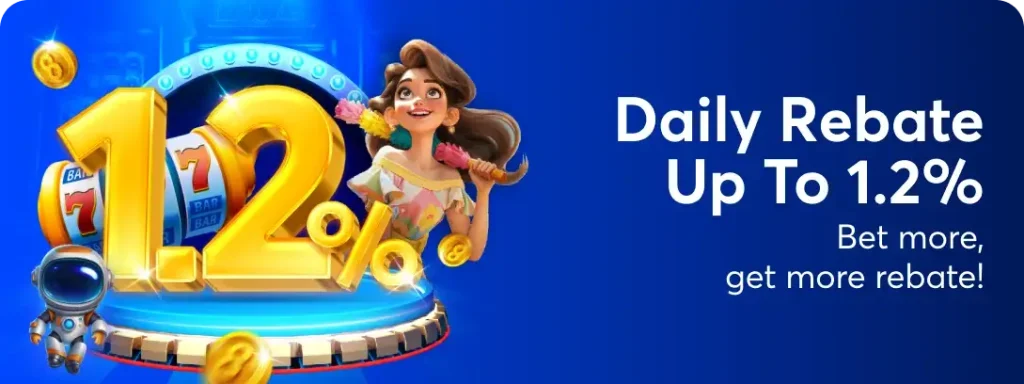
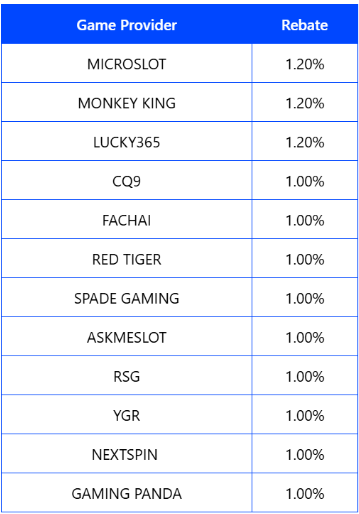
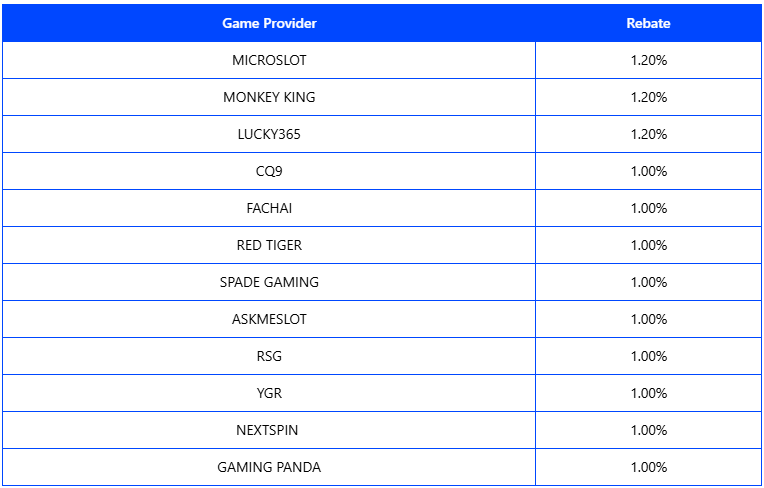
Enjoy up to 1.2% exclusive rebates with the highest returns! All players can enjoy the highest rebates here. Join KK8 now and double your earnings easily.
Promotion Period:
30th April 2025 07:00:00 (GMT +8) till further notice
Event Details:
How To Apply:
1.Create an account with KK8.
2.All KK8 members can claim this rebate.
3.To get the rebate members must place a bet using their KK8 main wallet.
4.KK8 will calculate the rebate amount based on the valid bets made with KK8.
5.The daily rebate period starts at 12:00 AM (GMT+8). Ends at 11:59 PM (GMT+8).
Terms And Condition:
1. All rebates are made every 24 hours as long as you have a valid turnover that is more than 0.01.
2. Any promotion bonus utilized by members will not be included in rebate calculations.
3. Rebates are credited daily at 12:00 PM.
4. KK8 calculates rebates based on the valid bet you make in each game category, including Sports, Virtual Sports, Live Casino and Slot games every day.
5. The bonus will be added to your bonus wallet after the rebate calculation.
6. Bonuses remain valid for thirty (30) days from the date of issuance unless stated otherwise. Any winnings from bonus credits will be forfeited if the required conditions are not fulfilled within this period.
7. If you change any of your information while the promotion is going on you will lose all your profits and bonuses.
8. Bets that result in a void, tie, or cancellation do not count toward the turnover requirement. Bets placed on opposite sides of the same outcome also don’t count as valid turnover.
9. If you play games like Video Poker, Craps or Blackjack, from the provider EVOLUTION or arcade games you will not get a rebate. This also applies to non-slot games.
10. All Blackjack games are not part of the rebate calculations.
11. KK8 reserves the right to reduce the rebate to 0.5% if a player is involved in hedging or any abnormal gaming activity.
12. KK8 reserves the rights to change or cancel the promotion without any notice.
13. KK8 reserves the right to forfeit all winnings and bonuses from any player or group of players who breach any term. KK8 may take such action at any time at its discretion.
14. KK8 is responsible for this promotion, and KK8 makes the decisions about the promotion, so the decisions are considered final.
15. Participating members are required to accept and comply with all the above terms and conditions, as well as any applicable rules and regulations published on the KK8 website.